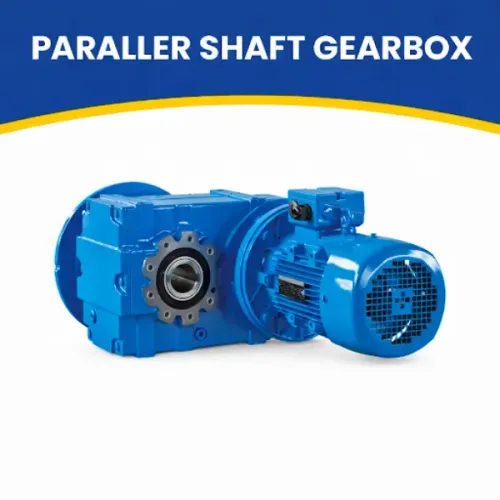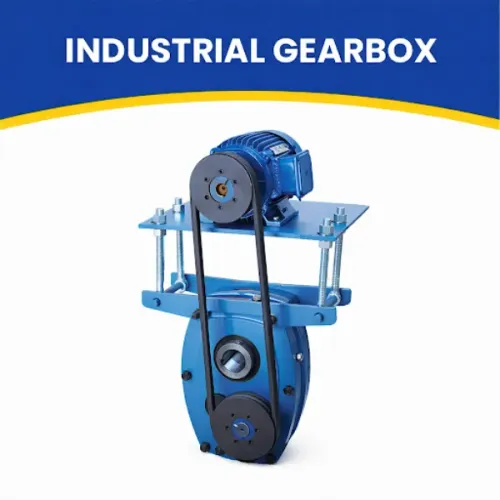

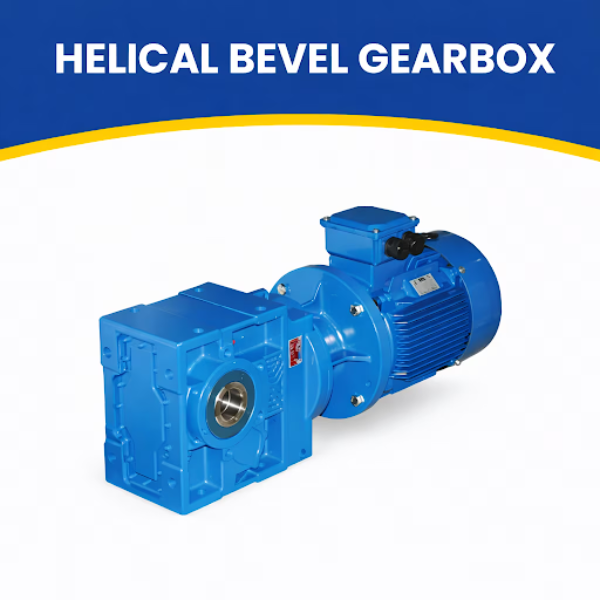
Industrial machinery does not always allow the motor and driven equipment to sit on the same axis. Plant layouts, conveyor arrangements, and equipment design may require power to change direction while speed is reduced. Helical Bevel Gearbox Solutions in New Delhi can be considered for applications where angular power transmission, torque requirements, and compact drive arrangements need to be addressed together.
Before choosing this configuration, engineers should determine whether its characteristics match the application.
How a Helical Bevel Arrangement Works
A helical bevel gearbox typically combines gear stages designed to reduce speed and transmit power through an angular arrangement.
This can be useful when the input and output need to be positioned differently from a conventional inline drive.
Rather than selecting the gearbox by name alone, buyers should focus on what the machinery actually requires.
Applications Where It Can Be Useful
Depending on design and capacity, helical bevel gearboxes may be considered in:
- Conveyor systems
- Material handling equipment
- Process machinery
- Industrial mixers
- Packaging equipment
- Heavy machinery
- Special-purpose equipment
The configuration can be particularly relevant when equipment layout makes a right-angle drive desirable.
Compare the Installation Layout First
One of the strongest reasons to consider a bevel arrangement is physical layout.
Engineers should examine whether an inline gearbox would require additional transmission elements or occupy unsuitable space.
A more direct angular drive arrangement can sometimes simplify machine architecture, although the complete installation should still be evaluated for accessibility and maintenance.
Review Torque Carefully
A compact gearbox is not automatically suitable for a high-load application.
Required output torque, startup load, shock conditions, and service duration should all be assessed.
The selected unit needs sufficient capacity for realistic operating conditions rather than only nominal motor output.
Look at Gear Quality
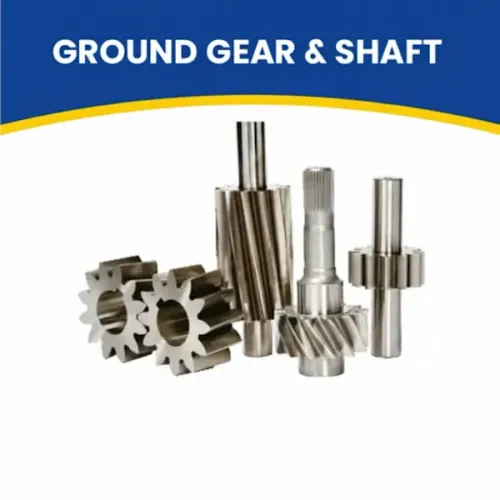
Gear geometry and manufacturing accuracy influence tooth contact, vibration, wear, and operating behaviour.
For machinery where smooth operation is important, buyers should discuss relevant manufacturing specifications and quality requirements with the supplier.
Correct alignment during installation remains equally important.
Consider Efficiency Across the Complete Drive
Efficiency should not be judged only from one component.
Motor loading, gearbox ratio, bearings, alignment, lubrication, and driven equipment all contribute to the overall performance of the system.
A properly selected gearbox operating close to its intended conditions is generally preferable to an oversized or poorly matched unit.
Maintenance Access Matters
Before installation, verify whether maintenance personnel can reach lubricant points, inspect seals, access fasteners, and remove the gearbox if servicing becomes necessary.
Space-efficient machinery can become expensive to maintain if routine access was overlooked during design.
Information to Share With a Supplier
Businesses sourcing industrial drive equipment in Delhi can make technical evaluation easier by providing:
- Motor power and speed
- Required output speed
- Required torque
- Shaft arrangement
- Duty cycle
- Load characteristics
- Mounting position
- Environmental conditions
- Available installation space
OPTIGEAR works with industrial gearboxes and engineered power transmission components from New Delhi, where application information is central to determining a suitable drive arrangement.
Helical bevel gearboxes can provide an effective solution where angular transmission and speed reduction are both required. Their value, however, depends on correct sizing, installation, lubrication, and compatibility with the complete machine.