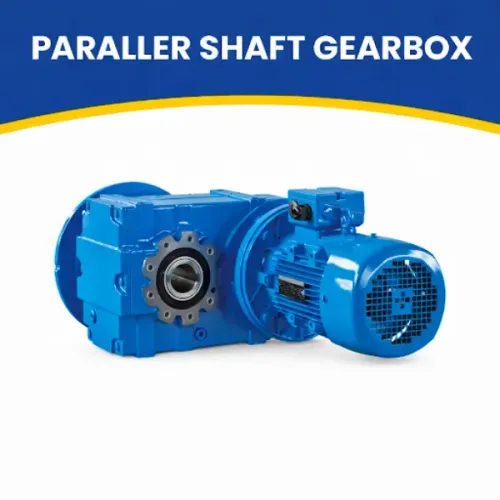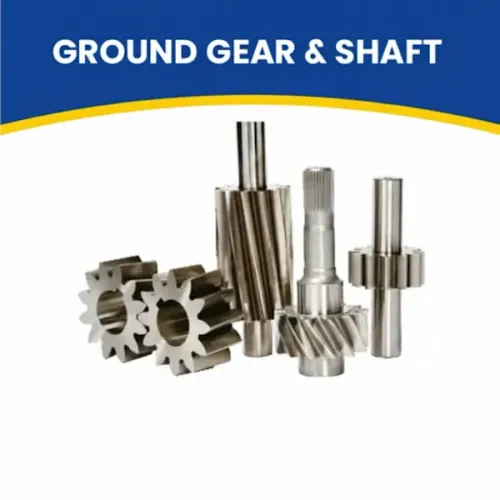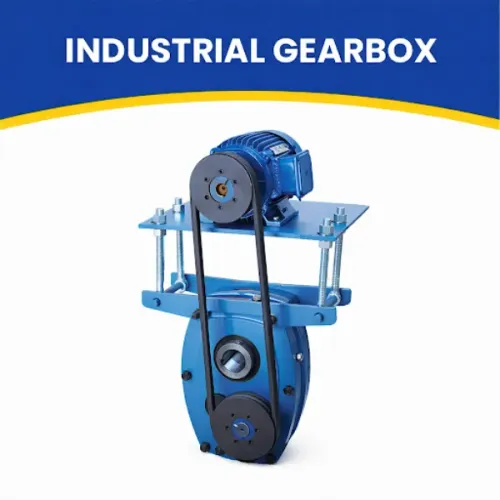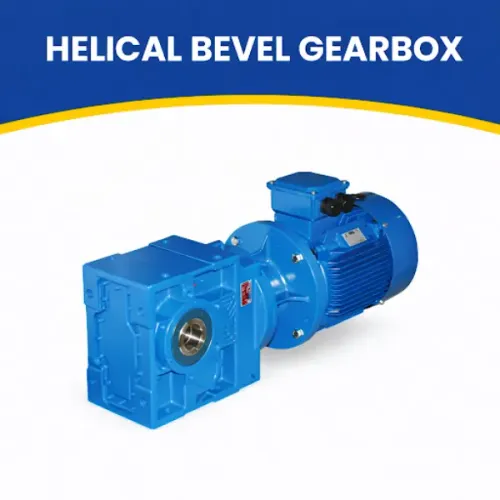


Nearly every industrial machine needs a method of transferring power from a motor or engine to the equipment performing the actual work. Mechanical Power Transmission Products in New Delhi are therefore relevant to a wide range of manufacturing, processing, conveying, construction, and material handling applications.
Understanding how these components work together can help machinery designers and maintenance teams make better equipment decisions.
What Is Mechanical Power Transmission?
Mechanical power transmission refers to the transfer of rotational energy and torque from a power source to another part of a machine.
A typical system may contain a motor, coupling, gearbox, shafts, gears, bearings, sprockets, or other transmission components.
Each component performs a particular function within the drive arrangement.
Industrial Gearboxes
Gearboxes modify speed and torque between the input and output sides of a machine.
When motor speed is higher than the speed required by the driven equipment, a reduction gearbox can reduce rotational speed while increasing available torque within the limits of the system.
Gearboxes are widely used in:
- Conveyors
- Mixers
- Crushers
- Material handling equipment
- Process machinery
- Textile equipment
- Construction machinery
Correct gearbox selection depends on load, operating speed, service conditions, and mounting arrangement.
Gears
Gears transfer rotational motion through meshing teeth.
Different gear geometries are chosen according to shaft orientation, speed, torque, noise requirements, and space constraints.
Precision in gear manufacturing is important because inaccurate tooth geometry can affect contact patterns, vibration, wear, and transmission efficiency.
Shafts
Shafts carry rotating components and transmit torque through the drive system.
Their design needs to consider more than diameter. Material strength, keyways, shoulders, bearing positions, stress concentrations, and alignment can all influence performance.
Custom gear shafts may combine multiple mechanical features into one engineered component.
Couplings
Couplings connect rotating shafts and allow power to pass from one component to another.
Depending on design, certain couplings can accommodate limited misalignment or help reduce the transmission of shock and vibration.
Selection should be based on torque, speed, shaft dimensions, alignment conditions, and the characteristics of the driven equipment.
Why Components Must Be Evaluated as a System
Power transmission problems are not always caused by the component showing visible damage.
A repeatedly failing gear, for example, may actually be affected by shaft misalignment, bearing wear, incorrect lubrication, excessive loading, or an unsuitable gearbox selection.
For this reason, troubleshooting should consider the complete drive train.
Application Conditions Guide Selection
Businesses sourcing power transmission equipment across Delhi should provide suppliers with realistic operating data.
Useful information includes:
- Motor power
- Input and output speed
- Required ratio
- Operating hours
- Starting frequency
- Load characteristics
- Mounting arrangement
- Ambient conditions
OPTIGEAR operates in the industrial gearbox, gear, and power transmission component segment from New Delhi, supporting requirements where technical compatibility is central to component selection.
Mechanical power transmission is ultimately a coordinated system. Motors, gearboxes, gears, shafts, and connected elements need to function together. Understanding that relationship helps industrial users select equipment more accurately and diagnose problems more effectively.