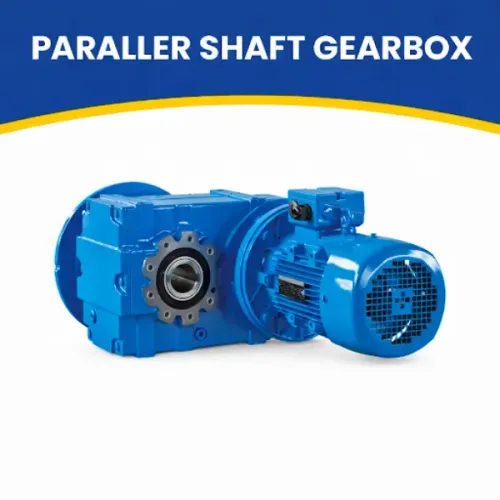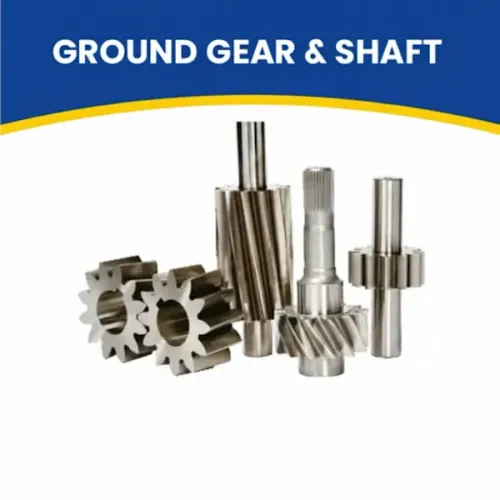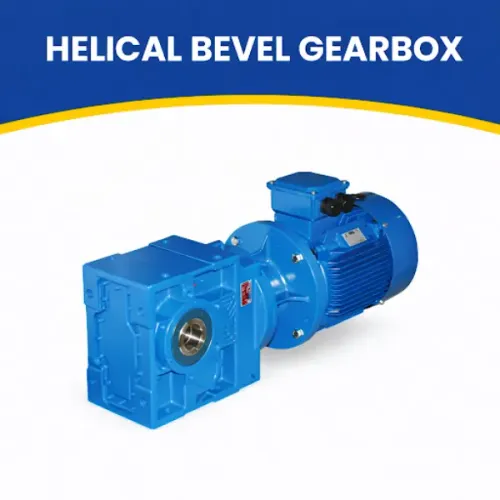

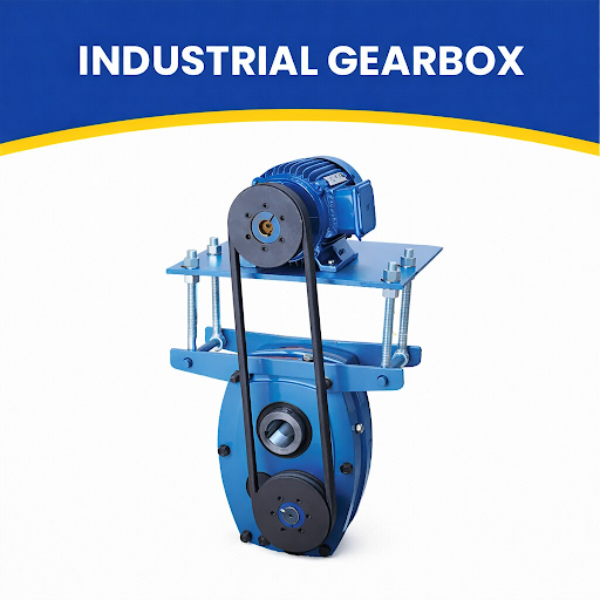
A heavy-duty gearbox often operates at the centre of an expensive industrial process. When it is incorrectly selected, the consequences can extend beyond gearbox repair to production loss, damaged connected equipment, and repeated maintenance intervention.
Businesses searching for a Heavy Duty Industrial Gearbox Supplier in New Delhi can reduce these risks by recognising common specification mistakes before placing an order.
Mistake 1: Selecting Only by Motor Power
Motor rating is important, but it does not describe the entire application.
Gearbox selection should also consider output torque, speed, starting conditions, load variation, and service duration.
Two machines using motors of similar power can create substantially different gearbox loads.
Mistake 2: Ignoring Shock Loads
Crushers, conveyors, construction machinery, and bulk-material systems may experience sudden changes in resistance.
If a gearbox is sized only for steady operation, repeated shocks can place additional stress on gears, bearings, shafts, and other components.
Real operating conditions should therefore be communicated during selection.
Mistake 3: Using the Wrong Reduction Ratio
The reduction ratio controls the relationship between input and output speed.
An incorrect ratio may cause the driven equipment to operate outside its intended speed range, affecting productivity or process performance.
Required output RPM should be established before selecting the drive.
Mistake 4: Overlooking Duty Cycle
A gearbox operating continuously requires different consideration from one used intermittently.
Operating hours, starts per hour, load duration, and temperature conditions all influence selection.
Duty cycle should never be treated as a secondary detail.
Mistake 5: Ignoring the Environment
Industrial gearboxes may operate around dust, heat, moisture, vibration, or abrasive contaminants.
These conditions can affect lubrication, sealing, heat dissipation, and maintenance intervals.
For plants around Delhi and neighbouring industrial zones, environmental exposure can vary significantly between indoor manufacturing equipment and outdoor material handling installations.
Mistake 6: Treating Lubrication as an Afterthought
Even a correctly sized gearbox can suffer if lubrication practices are poor.
Maintenance teams need to use appropriate lubricant specifications and monitor:
- Oil level
- Leakage
- Contamination
- Operating temperature
- Recommended change intervals
Changes in lubricant condition can also provide useful clues about internal wear.
Mistake 7: Ignoring Alignment
Misalignment can create loads that were never intended in the original gearbox design.
Motor, coupling, shaft, bearing, and driven equipment alignment should be checked during installation and after major maintenance.
Repeated component failures often justify examining the complete drive train rather than replacing the damaged part alone.
Mistake 8: Buying Without Technical Documentation
A purchase based on limited information can make future maintenance difficult.
Useful documentation includes gearbox ratio, mounting arrangement, shaft dimensions, lubricant recommendations, component details, and relevant operating specifications.
OPTIGEAR supplies industrial gearbox and power transmission solutions from New Delhi for applications where technical compatibility is an important part of procurement.
Heavy-duty gearbox reliability begins before the equipment reaches the plant. Accurate application data, suitable sizing, correct installation, and planned maintenance together provide a stronger foundation for dependable operation than selecting a gearbox on price or motor rating alone.