

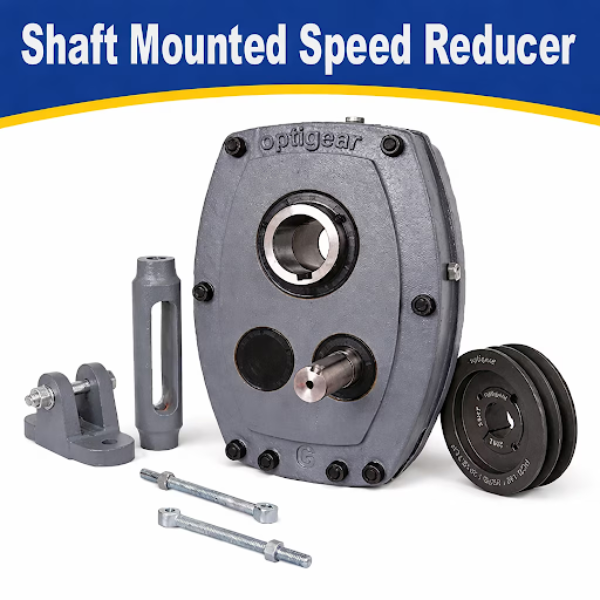
Unexpected machinery downtime can disrupt production schedules, increase maintenance costs, and delay customer commitments. One practical way to reduce this risk is to identify critical replacement components before a failure occurs. Working with an experienced Industrial Machinery Spare Parts Supplier in New Delhi can help engineering and manufacturing businesses plan their mechanical spares more systematically.
Across Delhi's manufacturing ecosystem, the right spare-parts strategy is particularly valuable for equipment that operates continuously or has components with long replacement lead times.
Why Critical Spares Matter
Not every machine component needs to be kept in stock.
The objective is to identify parts whose failure would significantly affect operations and whose replacement cannot be obtained immediately.
Typical mechanical spares may include:
- Industrial gears
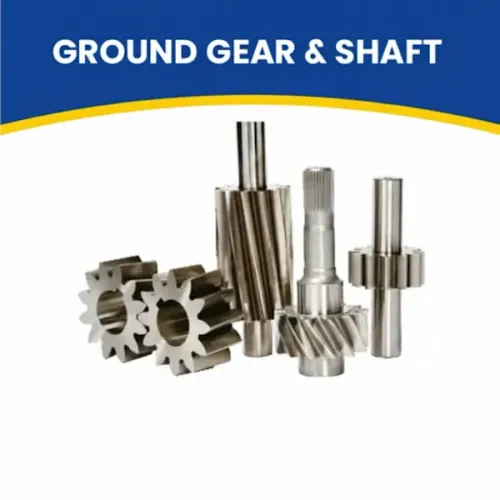
- Gear shafts
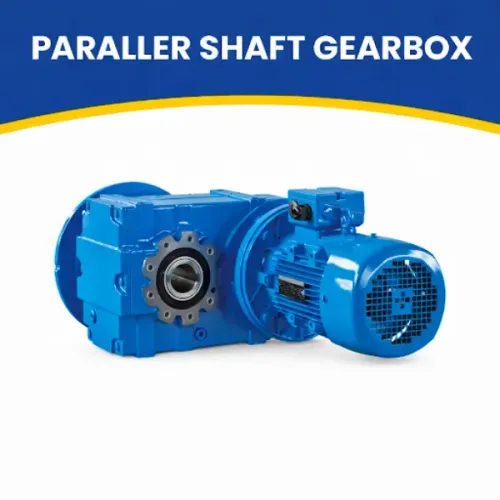
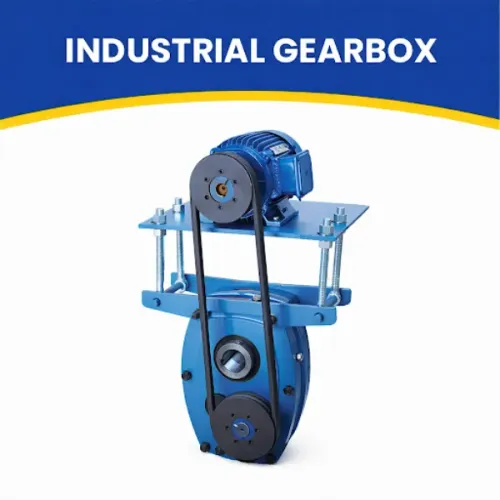
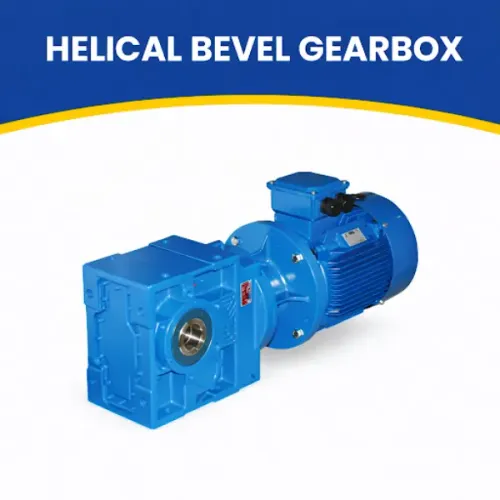
- Gearbox components
- Couplings
- Bearings
- Sprockets
- Transmission elements
- Reducer components
- Custom-machined parts
The exact list depends on the machinery installed at the facility.
Rank Components by Operational Risk
Maintenance teams can classify spare parts according to three basic questions:
- How likely is the component to fail?
- How much production would stop if it failed?
- How quickly can a replacement be obtained?
A relatively inexpensive gear may deserve higher inventory priority than a costly component if its failure stops an entire production line.
This approach helps businesses allocate maintenance budgets more effectively.
Keep Technical Records Before Failure Occurs
One common difficulty arises when an old component fails and nobody has its drawing, material specification, or dimensional record.
Technical documentation should ideally be prepared while machinery is still operational.
Records can include:
- Component drawings
- Equipment model information
- Material specifications
- Gear ratios
- Shaft dimensions
- Bearing references
- Heat-treatment requirements
- Previous replacement history
This information can significantly simplify future procurement.
Avoid Choosing Spares by Appearance Alone
Two gears or shafts may look almost identical while having different dimensions, materials, tolerances, or mechanical properties.
Installing an unsuitable replacement can create alignment problems, uneven tooth loading, premature wear, or damage to associated components.
Whenever possible, spare parts should be matched using drawings, verified dimensions, equipment documentation, or engineering assessment.
Pay Attention to Custom Components
Standard industrial components are often easier to replace. Custom gears, shafts, and gearbox parts can require additional manufacturing time.
For machinery using specialised components, businesses should consider whether maintaining one strategic spare is more economical than waiting for emergency manufacturing after a breakdown.
This calculation is particularly relevant for cement, material handling, textile, automotive ancillary, construction, and process-industry machinery.
Storage Conditions Also Matter
Purchasing a spare is not enough. Poor storage can reduce its usefulness before installation.
Components should be protected against:
- Moisture
- Corrosion
- Dust
- Physical damage
- Incorrect identification
- Mixing with similar components
Proper labelling and inventory records help maintenance personnel locate the correct part quickly.
Build Supplier Relationships Before Emergencies
Emergency procurement becomes harder when technical requirements have never been discussed with a supplier.
OPTIGEAR supports industrial power transmission and machinery component requirements in New Delhi. Establishing technical specifications in advance can make subsequent sourcing more organised when replacements are required.
A practical spare-parts strategy is ultimately a form of risk management. By identifying critical components, documenting technical specifications, planning custom parts, and maintaining appropriate inventory, industrial businesses can reduce their exposure to avoidable downtime.